For restaurant groups of three to thirty locations.
Find the profit your plates are losing.
Keep your register. Find the money your invoices, recipes and sales don't account for.
When your invite comes, we read one month of your bills and show you what they hold, in dollars. Want it sooner, by hand? A paid audit is available now.
The name is the call at the pass when plates are up and need runners: “Hands, please.”
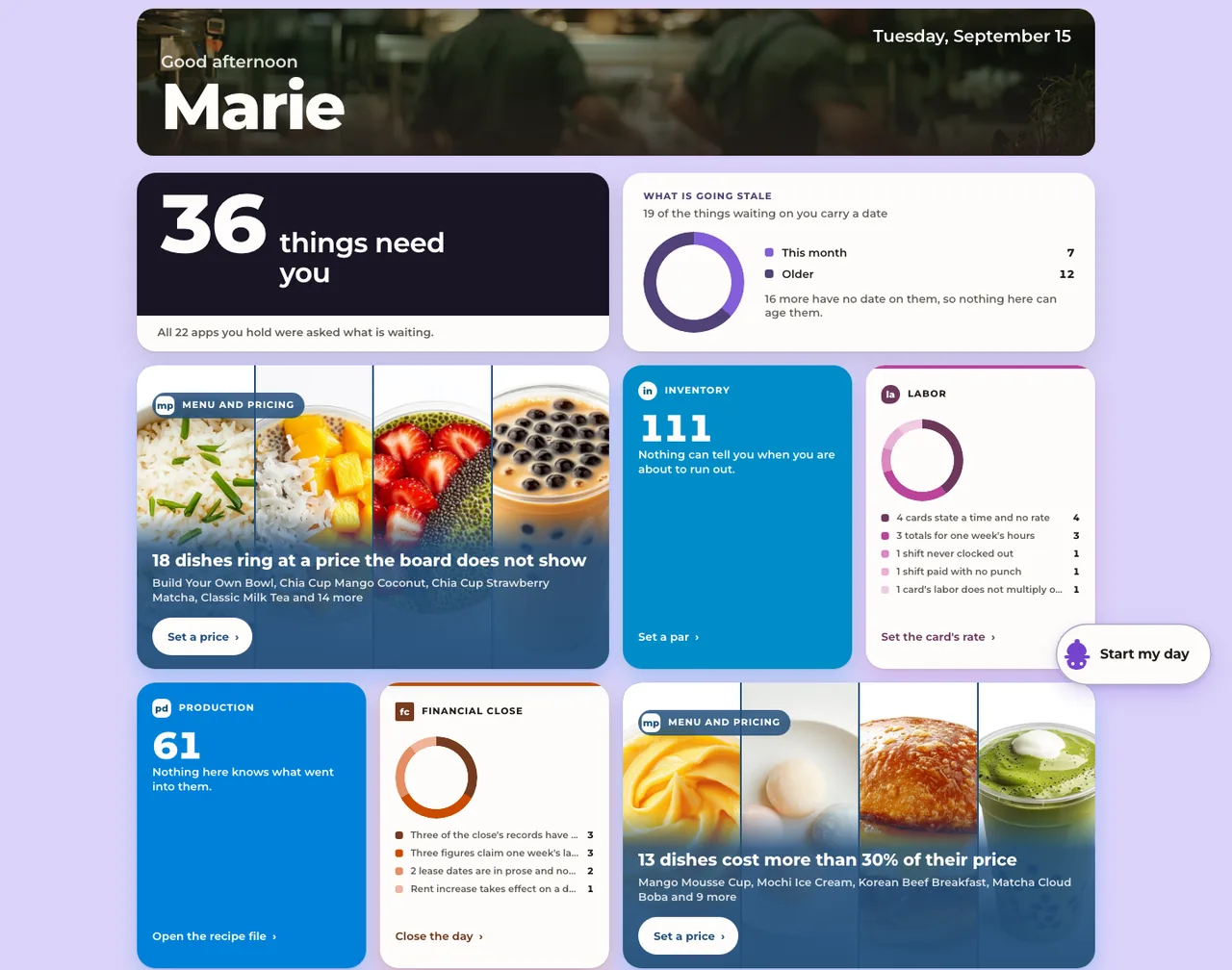













Strip the cost the guest never saw. Keep the experience they came for.
One more server on a Friday. A raise for the cook who never misses. A dessert on the house when the kitchen got it wrong. Family meal and a comp done right are good choices; write them down and they count as choices, not as losses.
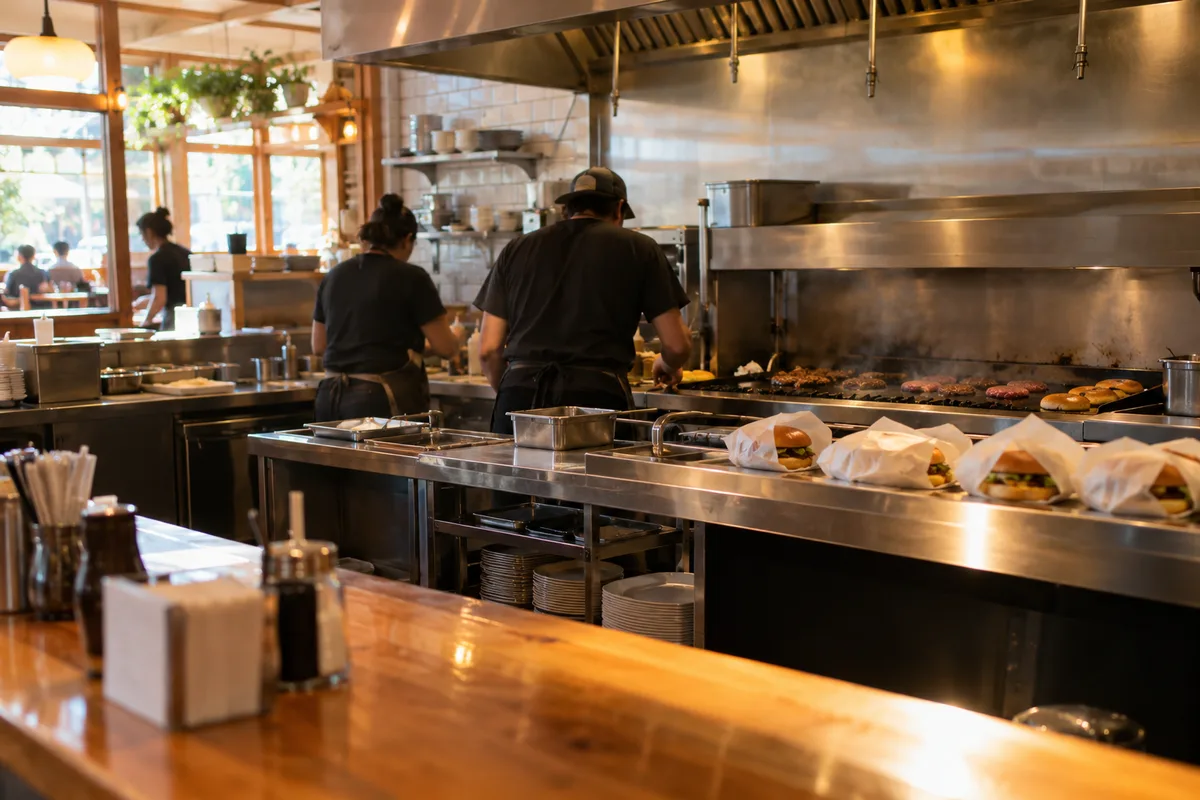
Money leaks where nobody is looking.
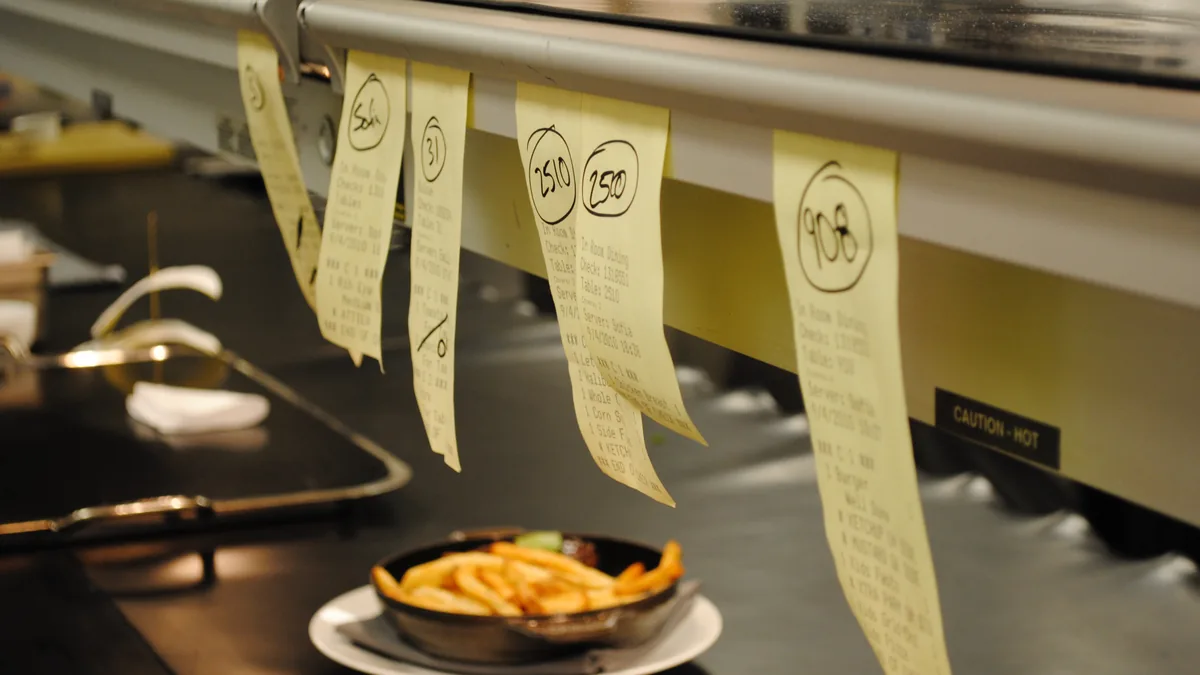
One supplier bill, checked.
- On the invoice
- Charged by the pound
- Agreed price
- Priced by the bag
- Difference
- $1,920
- Credit asked
- $1,920
The credit request is drafted for you. Nothing is sent until you press the button.
A worked example from one house’s bills, hours and counts. Yours will be your own.
His team found 6.5 cents more on every dollar of sales. At a $20b global foodservice company, they checked every recipe, held suppliers to the agreed price and fixed the menu prices.
These are his results from an earlier role, not a customer’s. Who builds it
You do not learn a new system. It learns your files, and prompts one action at a time across your team.
It asks once which column in your export is which, and remembers it the next time.
The work that disappears. We do it.
The room also dignifies the work. The line cook plating dinner is performing a craft. The server reading a table is exercising a discipline that takes years to develop.
- Reading every bill
- Checking each price against what you pay
- Costing every plate
- Comparing hours to sales
- Finding the leak and putting it in dollars
- Building the order guide from what you actually use
- Working out what to prep today
- Chasing the credit for a short delivery
- Finding what ran short on the count
- Writing next week’s schedule
- Sending the weekly numbers to your team
What you and your team do. The part only you can do: decide.


Monday you send bills. Tuesday you see dollars.
- Monday, a 30-minute callPhotograph your bills, or forward the emails. Upload your register’s sales report, Toast, Square or any other. On paper and a group text? Photographs are the whole start.
- Monday night, nothing to doWe read every line and check it against what you paid before. A bill we cannot read is marked so and counts for nothing.
- Tuesday morningWhat we found, in dollars, biggest first. Each with one button. Fix one thing at a time; you choose which, and when.
What stays the same
- Toast, SquareKeep your register until you decide to switch. Until then we read the sales report you upload; there is no live connection.
- Each store, each weekAnyone you add can upload a store’s sales file. A file for the wrong store is stopped, and a missing week is named.
- GustoPayroll stays. Upload its payroll report. We set it up with you on the first file: we ask once which column is which, then we remember.
- QuickBooksYour bookkeeper changes nothing. Approved bills come out coded, in a file for QuickBooks. We send them nothing.
- PlateIQKeep it or drop it; we charge the same either way.
- Your kitchenCheck the delivery at the door, confirm today’s prep, log the bin. A minute each, on a phone, in English or Spanish. No signal in the walk-in? It saves and sends later.
He does the reading. You make the call.

- From your own records. Your bills, sales, hours and counts, and he shows where each number came from.
- Drafts, never sends on his own. The schedule, the portion card, the note to a supplier: nothing goes until you press the button.
- On every page. Tap the ? beside any number and he says what it is, why it matters and what to do.
- Reads paper. Photos of bills, handwritten notes in the margin included.
A chat box that sums up your reports tells you what happened. Fernand drafts what to do next and waits for your yes.
- Photos and PDFs are read by an AI service. Nothing on a bill counts until you have looked at it.
- They are kept on our own server. Only the people you add can see them, and only what you let each one see.
- Backed up every night: every bill, photo and record, on the server we rent from DigitalOcean. Fourteen nightly and eight weekly copies are kept on that server.
- If you leave, ask within 30 days and a person on our team sends you your data, free.

Built by someone who has done this work by hand.
Johnny Auer has spent 28 years in restaurants and food service. From 2009 to 2013 he ran a hospitality agency in Chicago. It worked for dozens of restaurants. Some had James Beard Awards or Michelin stars. Of twenty-five clients, just five are still open today.
And that's the point for all of us.
Awards honor the craft. They don't keep a restaurant open. Margin does.
Hospitality is the product. The plate is the proof.
At a $20b global foodservice company he led food transformation for North America. He also managed a business of more than $50 million a year. His team found 6.5 cents more on every dollar of sales. They did it the way Handsplease does now. They checked every recipe, held suppliers to the agreed price, and fixed the menu prices. Temp labor fell from over 20% to under 5%, and overtime from 15% to under 3%. Satisfaction increased, quality improved. But those wins aren't transferable with ease.
He also tested kitchen technology there. Delivery was rising, and so were its costs. The tools each handled one function, and nothing covered the whole operation. Lots of shiny objects, little substance, and only sticker shock. All the while he watched the back of the house go from a place where people made things to a place where people packed things.
He has tested a lot of restaurant technology. Most of it looks good in a demo and fails on a Friday night. He built Handsplease to be the other kind. It does the reading and the math. Your people stay free to do what a restaurant is for: make a guest feel something. It prompts your team one action at a time. As transferable as it gets.
Book 30 minutes with Johnny →Join the waitlist
When your invite comes, we read one month of your bills and show you what they hold, in dollars, before you pay anything. Or book 30 minutes with Johnny.